Follow the Water: Family Clues Along Historic Canals
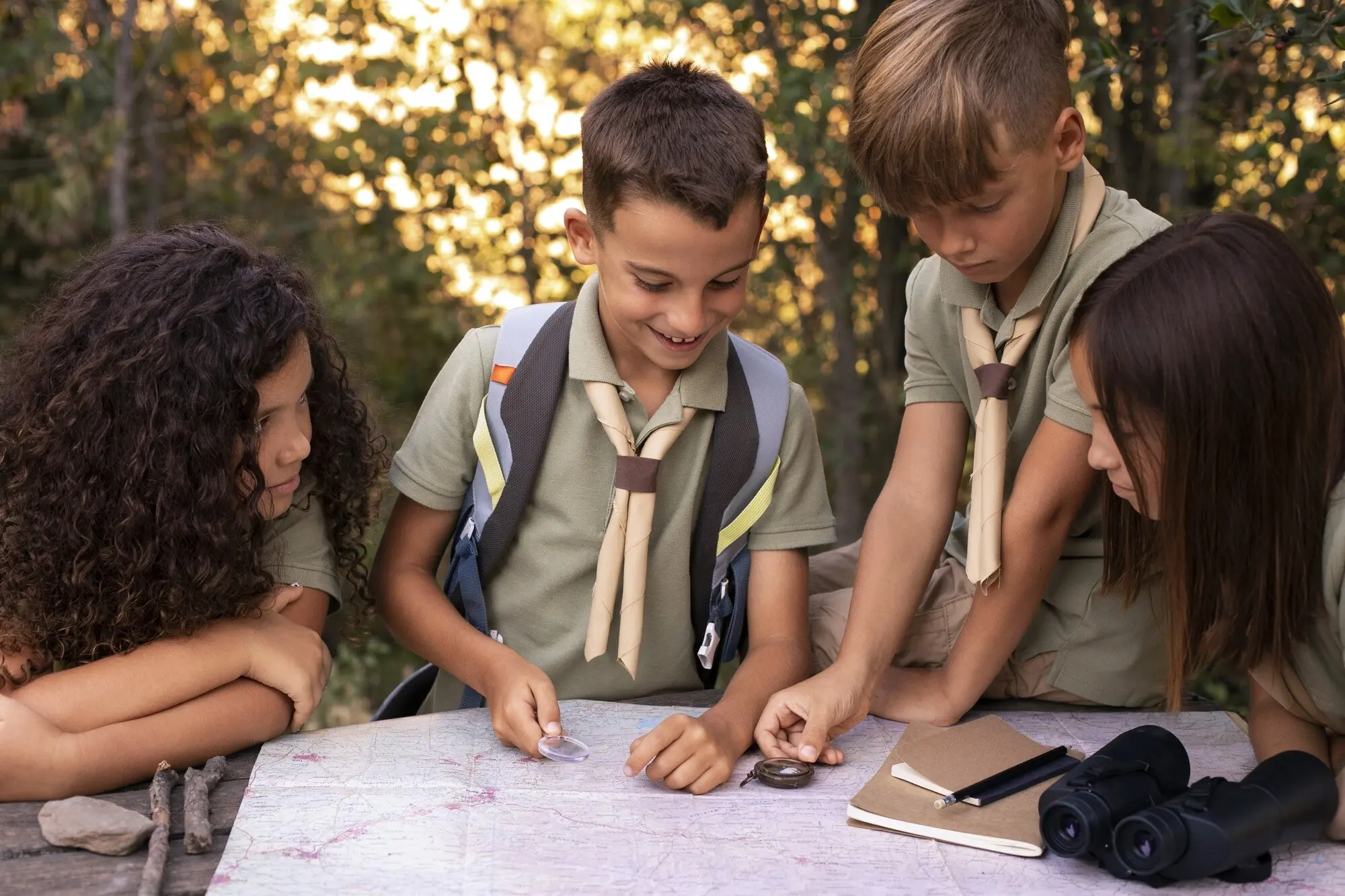
Today we set out on History Mystery Trails, exploring canal heritage with children through playful clues, storytelling, and hands-on discoveries. Expect splashing reflections, creaking gates, secret mileposts, and whispers from boat people who once worked, laughed, and dreamed along these waterways. Pack curiosity, a pencil, and a snack, because every bend hides another puzzle ready to be solved together.

Packing Curiosity for Waterside Wonders

Great adventures begin with tiny preparations that invite imagination to lead. A small backpack becomes a traveling museum: magnifier, chalk, notebook, colored pencils, reusable bottle, and a snack that buys quiet minutes for observing ripples and reading plaques. Explain how we explore respectfully, wave at boaters, and leave every bank cleaner than we found it, turning good manners into part of the day’s mystery.

Curiosity Kits That Fit Small Hands

Build a pocket-friendly kit that empowers young explorers to notice details adults often miss. Include a foldable map, a pencil tied with string, a clip for leaf samples, and a tiny ruler for measuring rope grooves on mooring posts. Add biodegradable chalk for temporary markings, never on heritage surfaces, only on your trail notebook, reinforcing gentle stewardship while fueling investigative play.

Setting Expectations With Wonder, Not Worry

Before you step onto the towpath, turn rules into a game of promises: feet stay back from edges, voices stay friendly, eyes stay open for birds and barges. Children thrive when boundaries are framed as superpowers that keep detectives safe. Explain why cyclists ring bells, why dogs wear leads, and how water can look calm yet hide surprising depths and currents.

Locks, Bridges, and Ingenious Motion Made Playful
Engineering along canals looks like magic when gravity, gates, and gears perform their quiet choreography. Children can feel the story of water rising and falling, wood swelling, and iron balancing weighty spans. Share how communities once synchronized muscles and patience, transforming science into everyday rituals. Invite kids to predict movements before they happen, turning observation into confident, joyful understanding.

Lives Afloat: People, Trades, and Quiet Bravery
Canal heritage holds human warmth: families who cooked in tiny cabins, lock-keepers who read weather like poetry, and traders who knew every milepost by heart. Share small biographies of grit and kindness, then invite children to invent letters between boats passing in night fog. Understanding people turns dates into feelings, making history a lantern kids carry beyond today’s walk.

Boat Childhoods and Cabin Classrooms

Imagine lessons squeezed between mooring and mealtimes, chalk dust drifting while kettles sing. Children once learned arithmetic from cargo weights and geography from wharves. Encourage your explorers to list what they’d pack for a week aboard: a blanket, a storybook, a lucky pebble. Noticing tiny cabins teaches empathy, and shows how resourcefulness transforms tight spaces into dignified, welcoming homes.

Cargo That Fed Cities

Grain, coal, clay, timber, and salt shaped skylines and supper tables. Let children match objects they use daily with the materials once hauled slowly by water. Discuss why canals beat muddy roads, how timing mattered, and what delays meant for bakers, builders, and families. The slow rhythm of barges nourished fast-growing towns, proving patience can be powerfully productive.

Wildlife at the Water’s Edge

Kingfisher Flashes and Patient Waiting

Teach children to read the riverbank like a comic strip: still branch, sudden blue streak, splash, silence. Kingfishers demand stillness as the ticket to wonder. Set a quiet timer, count breaths, then celebrate patience with a whispered cheer. Log sightings with sketches, not shouts, proving that calm attention invites rare creatures to share their dazzling, ordinary mornings.

Microhabitats in Cracks and Shadows

Peer safely at stone joints where moss holds tiny worlds: beetles navigating green forests and spiders weaving nets by damp light. Explain how edges create shelter from wind and predators. Hand children magnifiers and ask them to choose a postage-stamp square to study. Even the smallest patch reveals thriving neighborhoods that turn overlooked corners into grand, surprising kingdoms.

Seasons Written on the Water

In spring, blossom drifts like confetti onto reflections; in summer, dragonflies patrol; autumn paints towpaths gold; winter sketches lace on lock beams. Invite children to photograph the same view each visit, building a calendar of change. Noticing cycles deepens belonging, teaching that history includes weather, feathers, and footprints, not just dates carved bravely into mileposts.

Hands-on Clues: Games, Riddles, and Simple Experiments

Children learn best when solving puzzles they can touch. Turn every stop into a question answered by observation, kindness, or a quick sketch. Build tiny models to test ideas, then compare with full-scale marvels nearby. Celebrate wrong guesses as learning steps, and invite siblings to design the next challenge. When curiosity leads, even mud-splashed shoes feel like trophies.

Milepost Riddles and Secret Numbers

Write playful clues that reference distances, shapes, or carvings on nearby markers. Ask children to decode which direction short numbers point, or why certain posts lean. Create a cipher where vowels equal water drops and consonants equal pebbles. Each solved riddle unlocks a story snippet, stringing small victories into a necklace of discoveries no guidebook could deliver alone.

Build a Mini-Lock From Recycled Boxes

Using two shoeboxes, tape, and a plastic bag for water, recreate chambers and gates at the kitchen table. Children pour, lift, and see levels change, grasping gravity with damp giggles. Back on the towpath, ask them to predict real timings, then compare. Hands remember what eyes observe, translating abstract principles into splashes, smiles, and confident, evidence-based explanations.

Soundscape Bingo and Canal Choir

Print a bingo of likely noises: chain clink, coot call, bike bell, gate creak, laughter on the breeze. Record ten seconds of quiet and listen back for hidden layers. Invite children to hum rhythms matching ripples against stone. Sound turns the ordinary into orchestra, revealing how listening, like looking, is a form of exploring with generous attention.

Safe, Inclusive, and Joyfully Doable

A great trail fits real families: rest stops near benches, step-free options, and flexible turnarounds when naps arrive early. Pack high-visibility layers for dusky towpaths, hand wipes for snack time, and a small bin bag for stewardship pride. Share your route publicly only afterward. Thoughtful planning transforms potential worries into quiet confidence that lets wonder lead.