Confident Journeys Along the Towpath with Curious Kids
Set out on canal-side adventures where riddles lead the way and courtesy keeps the pace. We explore towpath safety and etiquette for families during clue trails, turning practical guidance into playful habits so children stay aware, share space kindly, read water edges wisely, and finish every quest proud, calm, and eager for tomorrow’s walk.

Preparation Before the First Riddle

Begin with a calm checklist that protects curiosity rather than smothering it. Check canal notices, note busy pinch points, map toilet and café stops, and set a turnaround time. Dress for drizzle, glare, and mud, pack snacks and spare socks, and agree simple signals for stopping, regrouping, and celebrating small wins.

Moving Gracefully on a Shared Towpath

Towpaths carry cyclists, anglers, joggers, dogs, boats’ crews, and daydreamers, so generosity keeps the flow smooth. Walk predictably, hold to one side consistently as local signs suggest, and signal intentions early. A quick thank-you, nod, or wave repairs any wobble and models everyday kindness stronger than lectures.

Edges, Water, and Weather

Water draws curious eyes, so manage distance, grip, and footing thoughtfully. Choose inside bends, grassy verges, or benches for clue solving. Wet leaves, frost, and clay can turn steps slyly slippery. Handholding beats scolding, and patient pacing beats bravado when wind gusts, rain starts, or surfaces change suddenly.

Make Safety a Game

When rules become play, children remember without being nagged. Turn calls, hand signs, and observation into points earned, stickers traded, or a celebratory canal-side cocoa. Laugh at near-misses during debriefs, not during walks, and praise quick choices that protect both the quest and everyone sharing the path.

Call Signs Kids Love to Use

Invent friendly signals: palm down means slow, two taps on a shoulder means pull in, and “Duck, look, listen” cues checking under low branches and across blind corners. Let children take turns as captain, giving signals when they hear bells, footsteps, barking, or the hum of tyres.

Red Light, Green Light, Canal Edition

Play classic stop-and-go beside safe verges, layering in rules: red near edges, amber when visibility narrows, green when the line ahead is clear and wide. Award extra points for spotting hazards early, like fishing rods or geese, and pausing the clue hunt gracefully until conditions improve.

Quiet Detective Mode Near Wildlife

Switch to whisper voices when swans, moorhens, bats, or dragonflies appear. Challenge kids to count species without stepping closer, noting colors and shapes instead. Explain how calm bodies and soft steps protect nests, banks, and reeds, letting everyone enjoy surprise encounters without stress for animals or people.

Prepared for Hiccups, Calm Under Pressure
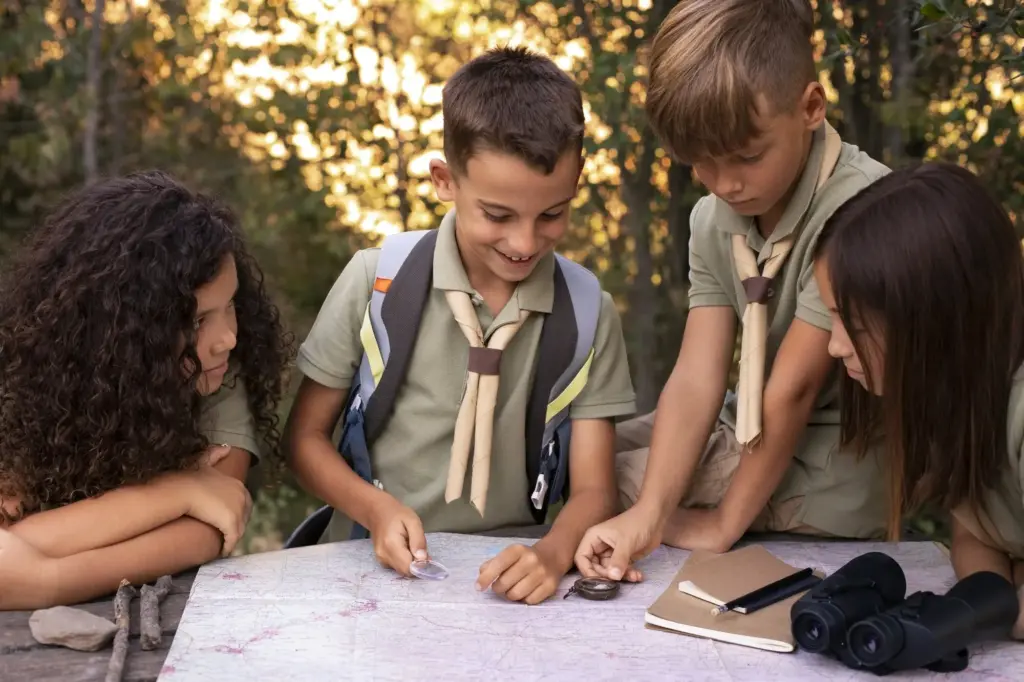
Confidence grows when families carry simple skills for rare, tough moments. Keep a compact kit, charge phones, and teach the throw-don’t-go rule near water. Share locations clearly, using landmarks or apps, and decide in advance who leads, who comforts, and who watches bags when plans change.

Family Emergency Mini-Plan

Agree a meeting point near a named bridge or mile marker, and practice describing it. Teach children to show wrist ID or say a parent’s number. If separated, they should stop with other families or café staff, not wander. Drills take minutes and deliver peace during unexpected muddles.

Simple First Aid and Throw-Don’t-Go Rule
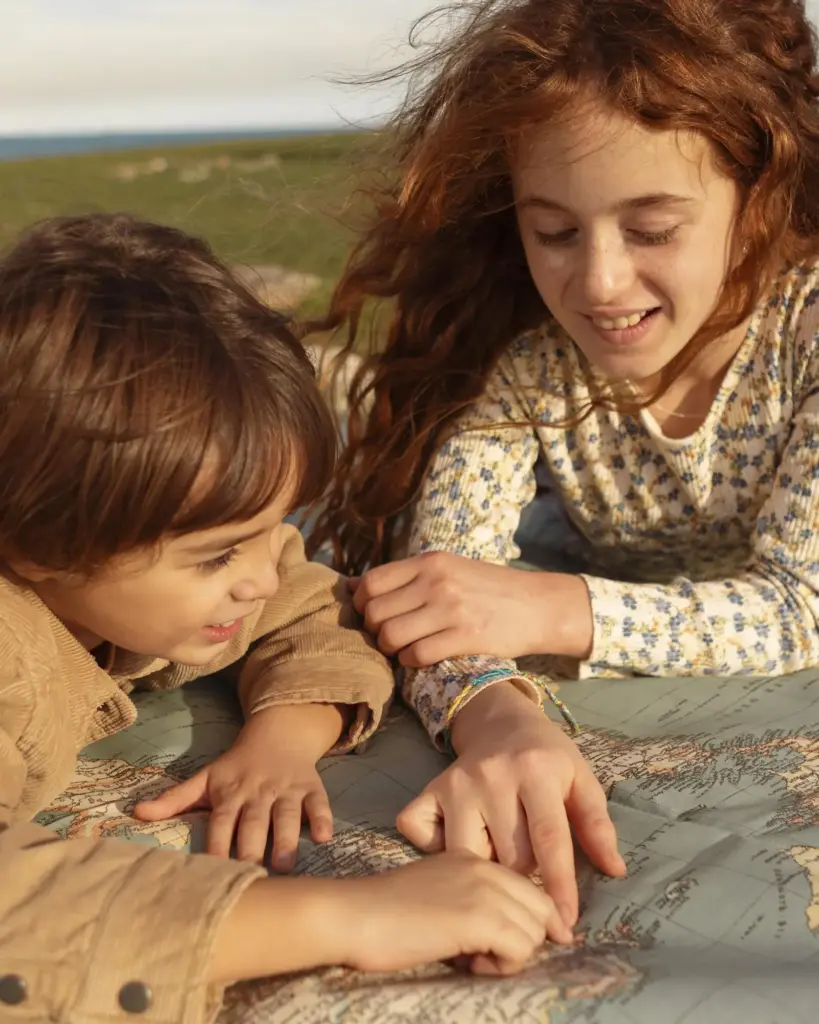
Pack adhesive bandages, antiseptic wipes, a foil blanket, and a triangular bandage for slings. Learn to throw a rope, scarf, or branch to someone in trouble, never jumping in. Keep emergency numbers handy, and rehearse calm breathing so helpful actions surface even when hearts race.

When the Trail Must Pause

Heavy rain, icy patches, tantrum fatigue, or a busy work party on the bank are valid reasons to stop. Model wisdom by turning back cheerfully, rescheduling, or shifting to an indoor puzzle. Children remember the tone you set more than the mileage you cover on any day.

Respect, Inclusion, and Community

Every family brings different wheels, needs, and rhythms, and towpaths become kinder when we plan with others in mind. Choose wider routes when possible, keep gates clear, and smile generously. Share tips, report hazards politely, and thank volunteers who mend surfaces so adventures stay welcoming for all.

Space for Wheelchairs and Buggies

Hold back at pinch points, flatten walking lines, and offer help only after asking. Keep puzzles portable so groups can stop anywhere, not just on benches. If a ramp is crowded, wait without pressure. Children watching this patience learn inclusion faster than any poster or assembly.

Photos, Privacy, and Posting Clues Responsibly

Capture joy without capturing strangers. Frame photos away from faces, blur identifying details, and avoid tagging precise locations where wildlife nests or residents value quiet. When sharing a trail online, celebrate accessibility and courtesy tips, invite corrections, and credit organizations maintaining the canal with gratitude and care.

Share Back: Tips, Maps, and Kind Words

Help our community grow by adding your clever clue ideas, route notes, and lessons learned in the comments. Subscribe for future family-friendly routes, seasonal safety checklists, and printable games. Respond to questions, cheer first-time walkers, and suggest meetups where good manners and discovery travel happily together.