Canal-Side Adventures for Curious Families
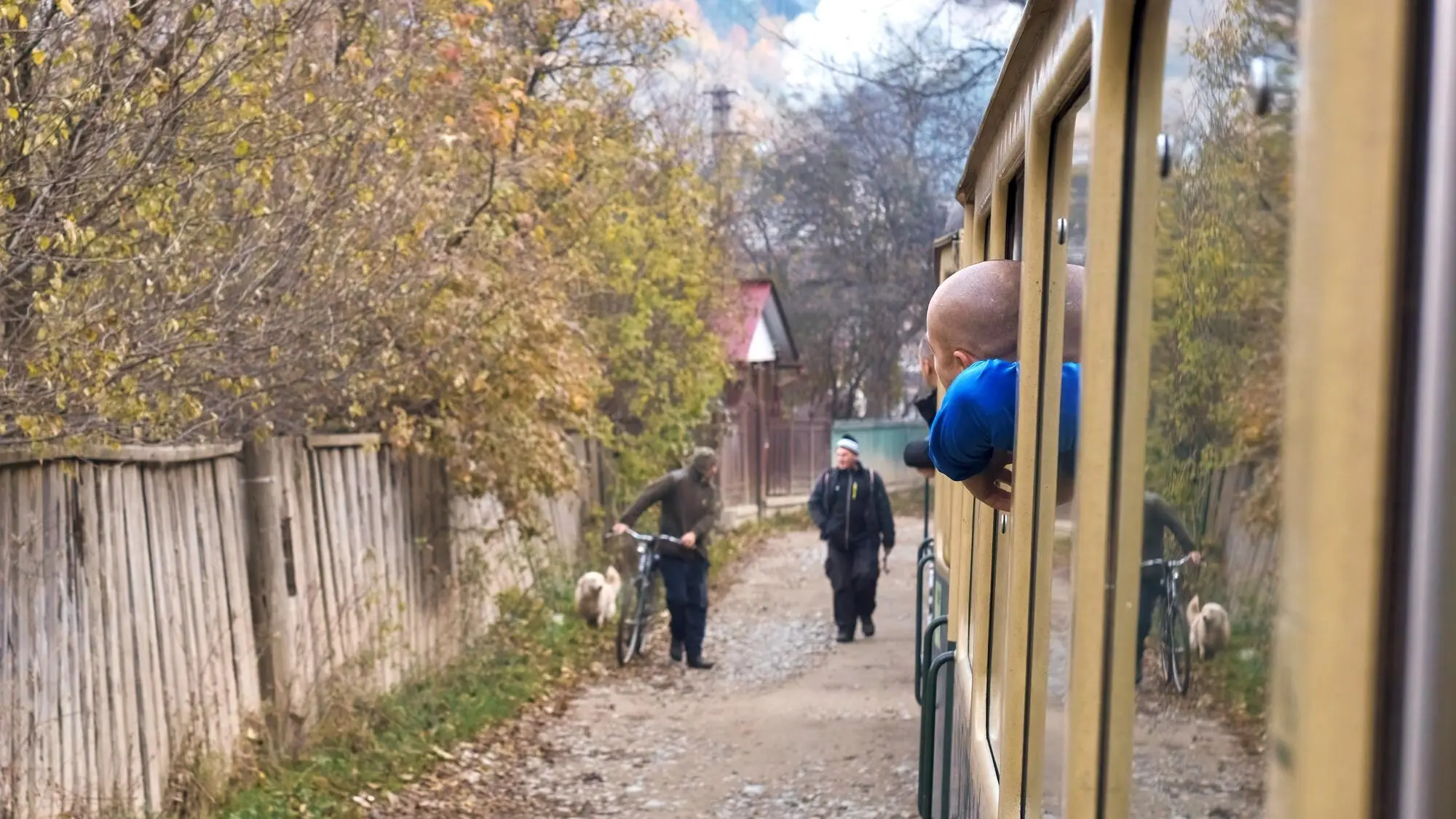
We’re focusing on wildlife scavenger checklists for canal towpath walks with kids, transforming every ripple, reed rustle, and birdsong into a friendly invitation to notice more. Expect playful prompts, printable cards, and mindful rituals that help young explorers identify creatures, protect habitats, and build confidence together while turning ordinary strolls into unforgettable discoveries.
Packing the Explorer’s Kit
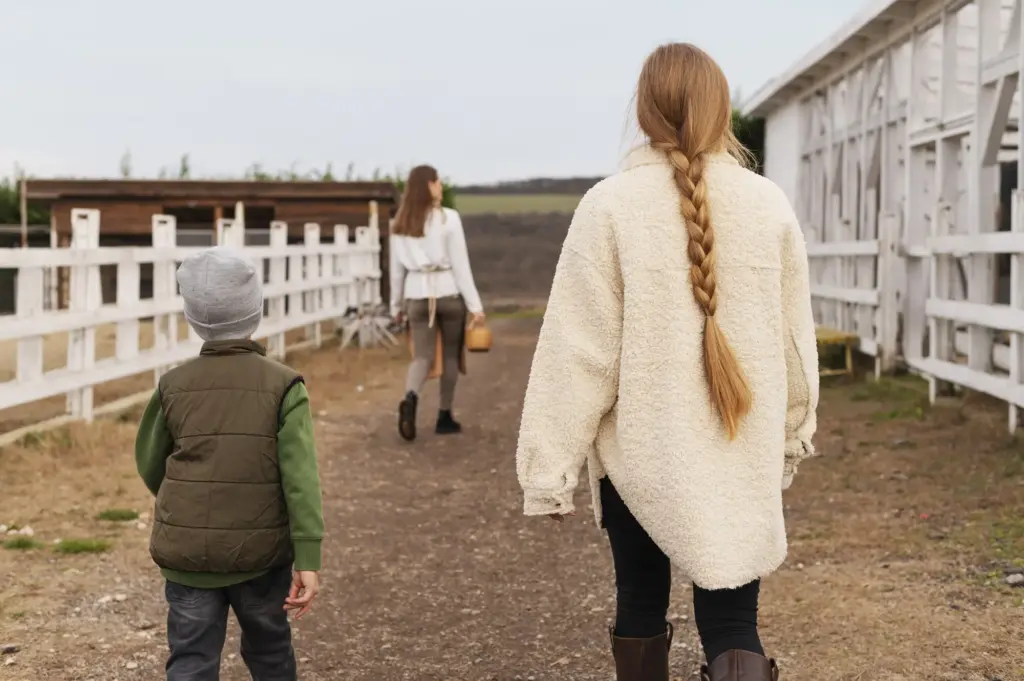
Keep it simple and empowering: clipboards or small notebooks, soft pencils, a pocket magnifier, and a reusable snack bottle. Add laminated checklist cards to survive drizzle and muddy fingers. Slip in spare socks, a tiny trash bag for clean-ups, and a scarf for impromptu shade, blindfold sound games, or playful signaling when someone spies something special.
Simple Safety Rituals
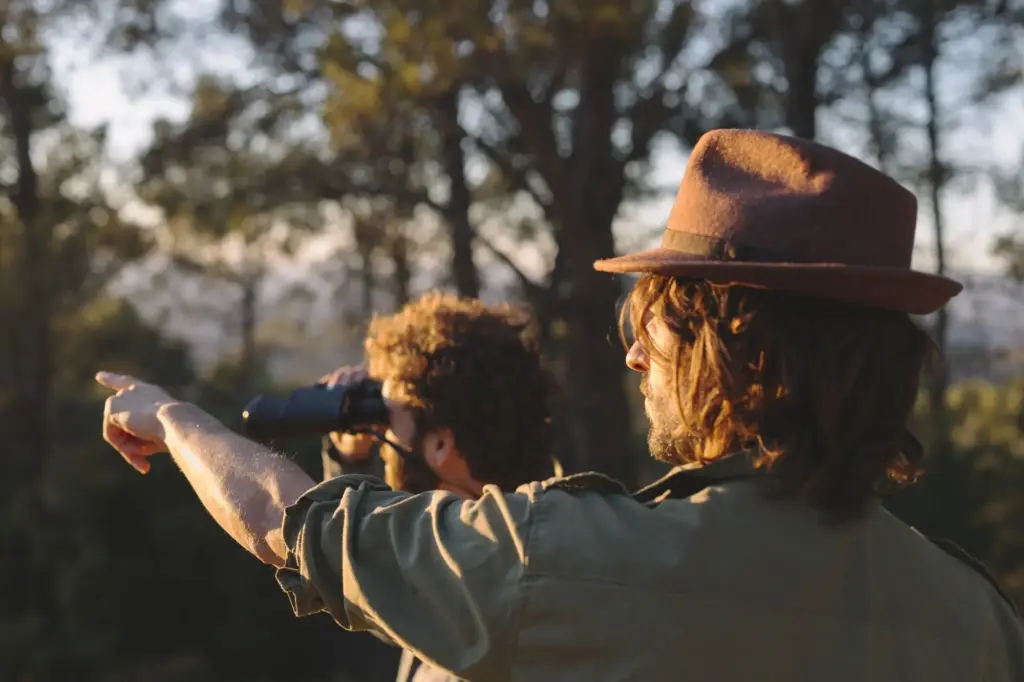
Begin each walk with the same kind, calm routine. Review staying together, giving waterbirds space, and keeping to the towpath edge. Practice quiet voices near nests, slow steps by cyclists, and pausing at bridges. Invite children to lead safety reminders, turning responsibility into pride while strengthening attention before the first clue even leaves your pocket.
Turning Checklists into Games
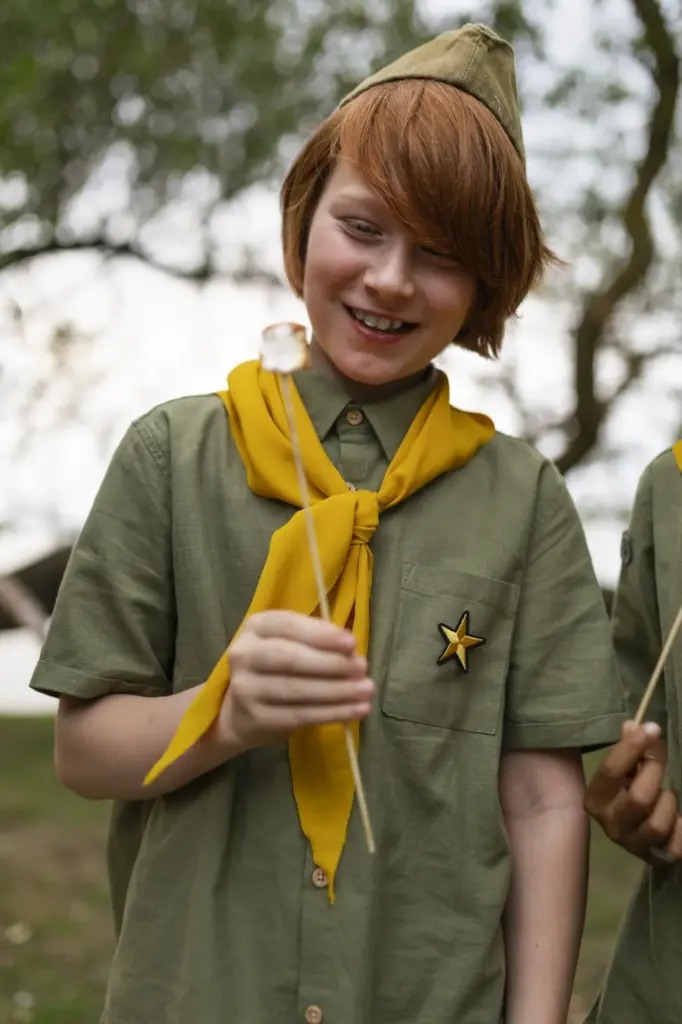
Shape tasks as playful micro-quests: spot three different beak shapes, find a feather softer than your cheek, count ripples after a fish jump, or match dragonfly colors to crayons. Offer cooperative points, silly team names, and celebratory sketches. Let kids invent bonus challenges, then proudly stamp their cards with leaf rubbings that become beautiful memory badges.
Wildlife to Watch Along the Water
Canals gather life at eye level for children, creating patient stages where herons hunt, swans shepherd cygnets, and damselflies sparkle like tiny jewels. Expect moorhens, coots, mallards, and sometimes a sudden blue flash of kingfisher. Look for water vole burrows, bat silhouettes at dusk, and evidence like gnawed stems or delicate tracks stitched into mud.
Designing Checklists Kids Actually Use
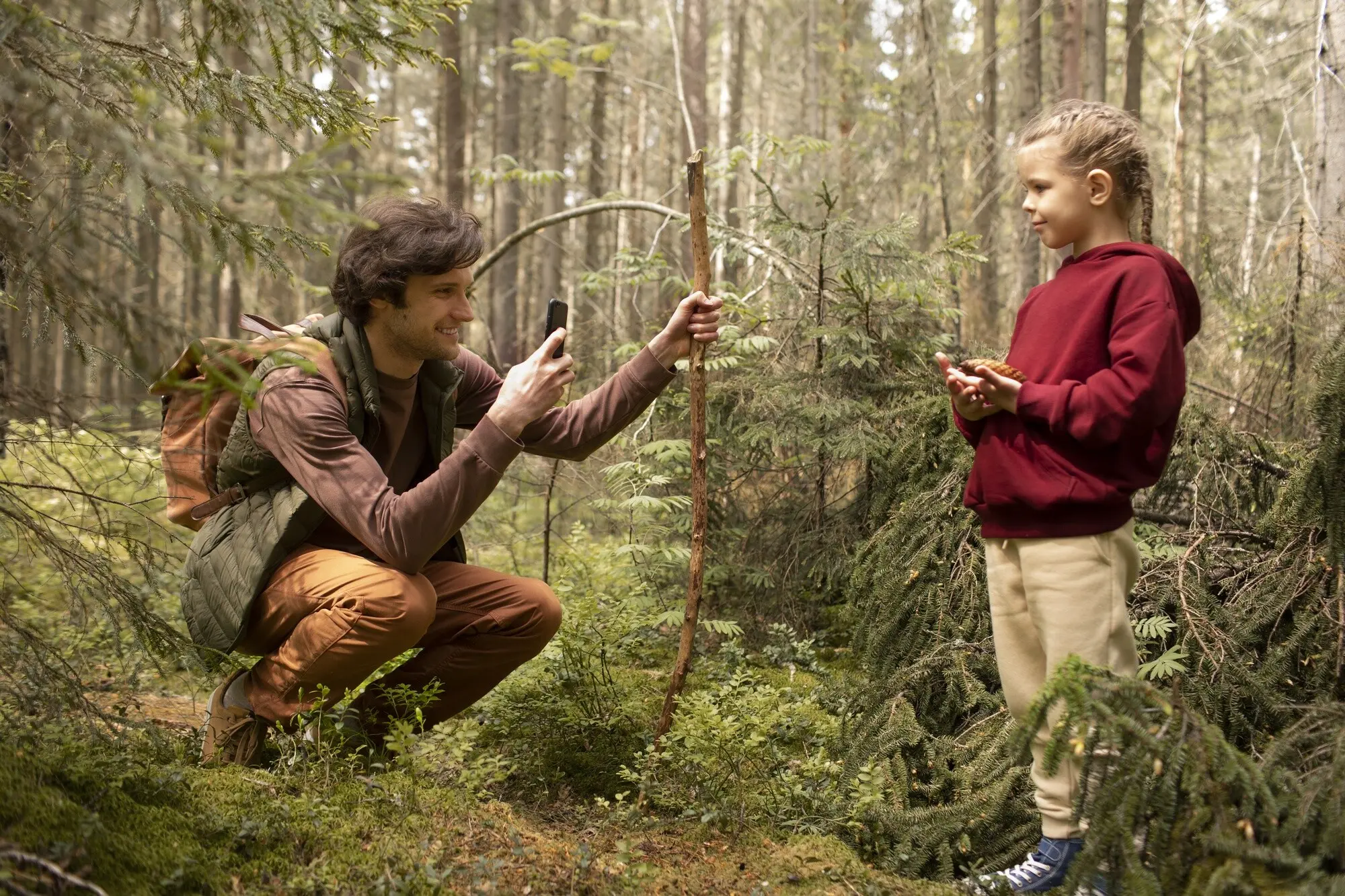
A great checklist feels like a friendly guide, not homework. Mix visuals, action verbs, and sensory invitations: hear, touch, count, compare. Keep goals short, language bright, and boxes generous. Offer space for drawings, jokes, and questions. Vary difficulty so multi-age groups cooperate, and let local discoveries inspire next week’s personalized cards the kids help assemble.
Icons, Colors, and Clues
Use bold icons for early readers, pairing silhouettes with simple labels and playful hints. Color-code categories—birds, insects, plants, and signs—so scanning feels intuitive. Add rhyming clues to spark giggles and memory. Include a sensory row—sounds, textures, and smells—that invites participation from every child, including those who’d rather listen than look in bustling spots.
Levels, Points, and Badges
Create gentle levels: Starter, Seeker, and River Guardian. Points reward kindness, patience, and teamwork as much as finds. Offer homemade badges using leaf prints or stamped corks. Celebrate curiosity over competition with end-of-walk storytelling circles, where kids trade clues, tally cooperative points, and choose next outing roles like Bird Caller, Map Keeper, or Quiet Captain.
Seasonal Swaps and Local Tweaks
Refresh cards with spring ducklings, summer dragonfly emergences, autumn seedheads, and winter murmuration silhouettes. Swap species lists to match your canal stretch and add placeholders for neighborhood notables. Invite kids to nominate one mystery box each trip, then research it together at home, gently weaving genuine ownership into your evolving, place-rooted scavenger adventures.
Learning Moments Hidden in Plain Sight
Towpaths double as open-air classrooms where engineering meets ecology. Locks introduce pressure and flow; tow ropes spark talk of friction and teamwork; birds reveal adaptation through beaks, feet, and feathers. Capture questions immediately on cards, then hunt for evidence. When answers wait, celebrate the pause, sketch possibilities, and schedule an experiment for next weekend’s stroll.

Stories from the Towpath
Narratives make details stick. Short, true tales invite kids to feel successful, brave, and gentle. Read a story before setting out to prime eyes and ears, then invite children to add their verse afterward. Over weeks, a family anthology forms, equal parts field guide and scrapbook, stitched with laughter, drizzle, biscuit crumbs, and astonishingly blue flashes.
Clouds pressed low, patience ran thin, and then a neon bolt sliced the shade. We missed the perch, but not the gasp. Later, we drew arrows showing our gaze paths, marked the quiet minute before, and learned that silence sometimes unlocks the brightest memories, even when your checklist box remains proudly, hopefully, beautifully empty for now.
It hovered, teased, zipped, and vanished. We traded frustration for a new challenge: trace its flight with a finger, copy the pattern on paper, then color the path. Back home, we matched body segments and wing pairs to our doodles. The next walk, another blue streak appeared, and suddenly the checklist square filled itself with grins.
No animals in sight, yet the ground whispered a parade: webbed prints, tiny toes, a bicycle zigzag like eel tracks. We compared sizes with thumbs, guessed gaits, and followed a trail to safe water. Our card’s blank became clues collected, proving discovery lives in hints, not headlines, and that mystery often makes the loveliest souvenir.
Start a Weekend Canal Club
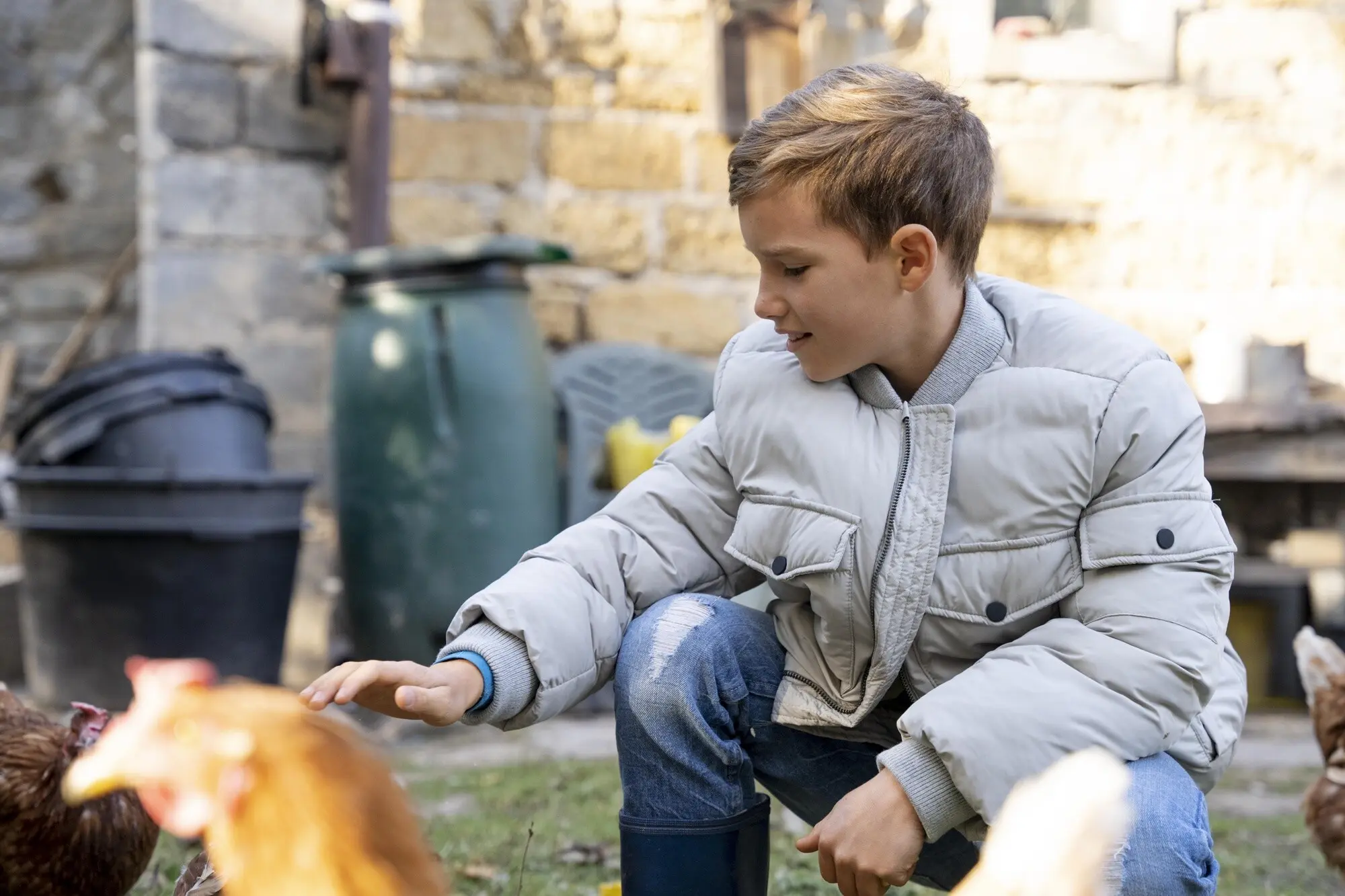
Pick a time, keep it short, and finish with warm drinks and proud show-and-tells. Rotate simple leadership tasks, like clue reader or timekeeper. Keep a shared binder of laminated cards and kid-authored tips. Post schedules on a community board, inviting new families who bring fresh eyes, local species insights, and stories that strengthen everyone’s sense of place.
Share Finds without Oversharing
When posting photos, celebrate moments while protecting wildlife and privacy. Avoid precise nest locations, blur backgrounds near burrows, and skip geotags for sensitive spots. Share sketches, sounds, or silhouettes instead of habitats. Model digital kindness in captions, invite thoughtful questions, and encourage families to message for generic guidance, not coordinates, keeping wonders safe for tomorrow’s walkers.
Keep Curiosity Blooming at Home
Transform finds into rainy-day projects: press feathers safely between paper, compare seed shapes with magnifiers, or build a cardboard lock to test water flow. Read picture books about canals, then invent new checklist clues. Place a curiosity jar on the table for questions, and turn answers into next weekend’s adventures, stitched with shared planning and anticipation.
Make It a Habit, Build a Community
Consistency forges confidence. Choose a friendly loop, alternate directions, and invite neighbors to share checklists and laughs. Trade roles so each child mentors another. Host tiny end-of-month show-and-tells, celebrating sketches, kindness points, and hard-earned patience. Encourage readers to comment, swap printable ideas, and subscribe for fresh seasonal cards, community challenges, and gentle reminders to slow down.